

If you have recently switched to a gluten-free diet, finding the right substitutes might seem challenging at first. But then, you would also look for and learn about many more dishes and drink options that can make this switch more enjoyable for you! That’s when you may stumble upon buckwheat tea benefits as well! Made of buckwheat seeds and grains, this tea not only has a light delectable flavor but also helps you alleviate many health concerns as well! Commonly used as an ingredient in bread and bakery items, buckwheat tea is a refreshing alternative, to reap the many health benefits of gluten-free buckwheat. To learn more about this nutrient-rich healthy tea and its key benefits, read on!
What Is It?
A yellow, hot beverage made from the buckwheat grains and seeds.
What Are Its Benefits?
It regulates blood sugar levels, improves ovarian function, and boosts immunity.
Who Can Consume It?
Anyone can consume it, especially people with diabetes and those looking to cut down on caffeine.
How Often?
You can drink 1 to 2 cups of buckwheat tea daily.
Caution
Avoid consuming it if you have a buckwheat allergy.
Buckwheat – An Overview
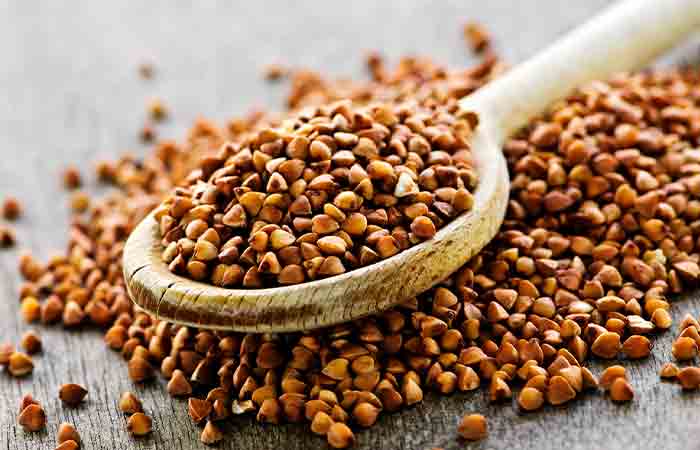
Buckwheat is a pseudocereal plant that carries many qualities of cereal, but is not at all a part of the cereal species (1). Due to its similarity to the actual grains such as wheat, it is often used in bread and pasta. Buckwheat tea is produced from the seeds of the plant. Its taste is light and subtle, it is drunk for enjoyment apart from health purposes. Some studies suggest that it aids in weight loss, provides nutrition, improves the health of the blood vessels, and reduces blood cholesterol. The preliminary research on Buckwheat tea is promising and suggests that the nutrients and chemicals in the tea can serve as a nutritional supplement.
Buckwheat Tea Benefits
Following are the incredible health benefits of buckwheat tea:
1. May Treat And Prevent Edema
According to a study published in the European Journal of Pharmacology, Buckwheat tea is highly effective in treating the edema swelling caused due to Chronic Venous Insufficiency (2). The study was carried out on human patients in whom one group was given the buckwheat tea while the other patients received placebo tea. The researchers noted a considerable improvement in the patients who received the Buckwheat tea than the patients in the other group. The study says that the tea was safe and had favorably influenced the edema patients with the CVI problem and can prevent its further progress.
2. May Have Significant Cardiovascular Benefits



Research suggests that increased intake of buckwheat may lower risk markers for cardiovascular diseases, such as glucose, total cholesterol and triglycerides (3), (4).
3. May Reduce Blood Glucose
A paper published in The Journal of Agricultural and Food chemistry states that Buckwheat tea or the concentrate reduced the level of blood glucose in diabetic rats (5). However, the process of preparation of Buckwheat tea or concentrates, in this case, is different from the regular method. Human studies have also linked buckwheat consumption with reduced risk of hyperglycemia, or high blood glucose (6).
4. May Improve Renal Function
Buckwheat concentrate, or the high-density tea, when given to rats inflicted intentionally with kidney damage showed significant improvement in the renal function and slowed down the kidney disease progression (7). However, the experiment is yet to be tried on human beings, but is expected to deliver similar results in people suffering from renal problems.
5. May Be Beneficial In Treating Diabetes
In a study, it was found that the ingredients present in the Buckwheat tea were beneficial in lowering blood sugar levels in diabetic mice. The rutin found in Buckwheat is extremely helpful in preventing type 2 diabetes when used with novel strategies. Another placebo-controlled studyi has concluded that the Buckwheat seed extract or tea lowers the levels of blood glucose by 12 to 19% at 90 and 120 minutes after administration when given to laboratory animals with intentionally inflicted diabetes. On the other hand, the placebo group of animals did not show any glucose reduction (5).

According to a survey conducted on 58186 US adults about 9.7% (6317) were diagnosed with diabetes. While type 1 diabetes in the US population was 0.5%, type 2 diabetes affected more people about 8.5%. Type 1 diabetes was more prevalent among young adults belonging to the age group of 20 to 44 years and well-educated non-Hispanic people with low BMI. Type 2 diabetes on the other hand was higher among the elderly aged above 65 years, and non-Hispanic Asians with high BMI levels. With such a high prevalence of diabetes among the US population, the inclusion of foods that help control glucose levels is advised.
The scientists believe that the glucose lowering effect is caused due to the presence of a chiro-inositol compound that has been found to play a pivotal role in cell signaling and glucose metabolism in both animals and human beings. The researchers believe that the chiro-inositol may act as an insulin mimic and increase the sensitivity of the body cells to insulin.
6. May Improve Ovulatory Function
According to a human study published in the New England Journal of Medicine, buckwheat seeds and grains are loaded with D-Chiro-Inositol that increases the insulin actions in patients suffering from polycystic ovary syndrome. (8). Thus, it may contribute to improving the functioning of the ovulation, reducing blood pressure levels, decreasing the concentrations of serum androgen and plasma triglyceride.
7. May Protect Against Cancer And Heart Disease

Phytonutrientsi present in cereals and whole grains such as buckwheat are exceptionally helpful in improving digestion and certain types of stomach and gallbladder problems. The buckwheat plant contains lignans- a type of gut-friendly compounds that are converted into mammalian lignans such as the enterolactone, known to protect the body against breast cancer and other hormone-dependent cancers and heart disease. Although the lignan content in beverages such as buckwheat tea or coffee is comparatively low, research indicates that buckwheat is anti-inflammatory and beneficial for heart health and its regular intake shows significant improvement in the body’s cancer-fighting ability (9), (10).
8. May Improve Immunity
Buckwheat is an important source of water-soluble, insoluble and fat-soluble vitamins and powerful antioxidants (11). It is rich in tocotrienolsi , vitamin E, flavonoids, minerals, phenolic acids, selenium, and phytic acid. These are exceptionally good at improving natural immunity. The antioxidants fight the toxic free radicals in the body, and offering protection against harmful viral, bacterial and fungal infections (12).
9. May Aid Weight Loss

Buckwheat tea is low in calories and hence is an ideal replacement for high-calorie drinks. Substituting high- calorie beverages with buckwheat tea helps you to lose weight and enjoy the kick. Although not much evidence is available about the effect of this tea for weight loss, researchers believe that the presence of catechinsi , a naturally occurring antioxidant in the buckwheat tea, can support metabolic health and promote weight loss. A detailed study of obesity has revealed that the extracts in green or buckwheat tea contain a good amount of catechins that help in weight control
10. A Good Anti-Caffeine Source
Green tea is rich in antioxidants and is beneficial for weight loss and overall health (15). However, if you have been advised to cut down on caffeine in your diet, and want to follow a low-oxalate diet, buckwheat tea is the best caffeine-free alternative. It offers all the benefits of green tea sans caffeine and can be an ideal choice for those who want to follow The Kidney Stone Avoidance Diet. The vitexin and rutin in the buckwheat tea improve blood flow, and prevent varicose veinsi and leg edema.
Although having buckwheat tea in moderation helps you reap the benefits it offers, consuming it in excess may cause a few side effects. Learn more in the section below.
Buckwheat Tea Side Effects
- May Trigger Allergic Reactions: Some individuals may be allergic to buckwheat and consuming this tea may trigger allergic reactions and cause hives, itching, swelling, or digestive issues (16). If you have a known buckwheat allergy, it is best to avoid buckwheat tea.
- May Cause Kidney Stones: Buckwheat contains oxalates that could contribute to kidney stone formation in susceptible individuals (17). If you are prone to kidney stones, it is advisable to moderate your intake of oxalate-containing foods and beverages, including buckwheat tea. Also, consult a doctor before taking this tea to avoid any health issues.
Infographic: Important Benefits Of Buckwheat Tea
Buckwheat tea is nutrient-rich and gluten-free, which has made it very popular among many. Not only does this tea taste delicious, but it also offers many health benefits for your overall health. To learn the most important benefits it has to offer, scroll down and read through the infographic below.
 Basque
  English
  Afrikaans
  Albanian
  Amharic
  Arabic
  Armenian
  Azerbaijani